
Keeping your home in great condition involves more than aesthetics. One key yet often overlooked aspect is gutter cleaning—a crucial routine that protects your home from various problems.
Clean gutters are essential for the health and longevity of your home’s structure, from preventing water damage to keeping pests at bay.
I got a call from a customer a few months ago who was in a minor panic to have her gutters cleaned. Her inlaws had visited the night before and when she answered the door to let them in, she found them dancing to avoid the waterfall coming from her overflowing gutters. They had a good laugh about the dancing, but my customer was not happy to see all that water running down her recently painted facia-boards and splashing all over her walls. I found her my first available spot on the schedule and then she asked a question I get all the time, “How often do people get their gutters cleaned?”
This raises a vital question: How often should gutters be cleaned out? This article explores gutter maintenance, providing insights and advice to ensure your gutter system works well all year.
Knowing the timing and reasons behind gutter cleaning can prevent costly issues, whether you’re in a leafy area or not. Let’s uncover the essentials of gutter upkeep for a healthier home, including professional gutter cleaning services.
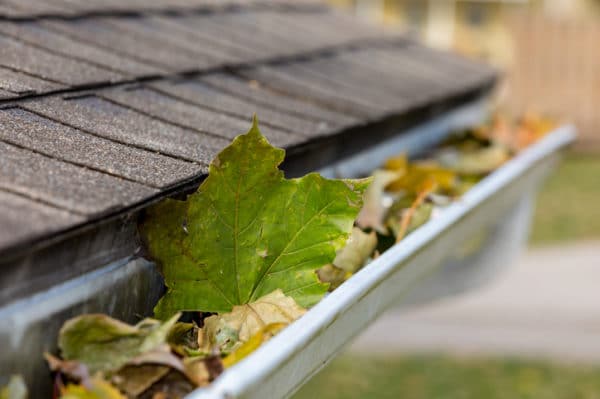
How Often to Clean Gutters
What Could Happen If I Don’t Clean My Gutters?
Most homeowners know that overflowing gutters cause bad things to happen. They’re totally right. It isn’t just annoying that rain spills over on your inlaws (though some might consider that a benefit–a little splash of schadenfreude for all those less-than-helpful side comments about your failings as a wife and mother). Overflowing gutters cause water damage. Whether it’s in the facia boards, the eaves, the soffits, the walls, in the attic, in the foundation, or with flooding in the basement, water where it’s not wanted is bad. Every so often we’re called to quote work for a long-distant landlord who hasn’t had his gutters cleaned in years and we just can’t help him. The gutters are falling off, the facia boards are water-logged or worse, the walls are rotting, and the real damage hasn’t even hit yet. The real damage hits the bank account as contractors pile up bills to fix what should never have been broken–and all for the want of a gutter cleaning.
The Importance of Regular Gutter Cleaning
Why Clean Your Gutters?
Cleaning your gutters is crucial for protecting your home. Clogged gutters can overflow, causing water damage to your foundation, exterior, and landscaping.
Regular cleaning prevents these costly issues and stops gutters from becoming breeding grounds for pests like rodents and insects, maintaining a pest-free environment. Additionally, maintaining clean gutters is vital for the health of your roof and gutter system.
It prevents rust corrosion and ensures smooth water flow, extending their lifespan. Simply put, gutter cleaning is essential to avoid water damage, deter pests, and keep your roofing system in good condition.
How Often Should You Clean Your Gutters
Thankfully, it doesn’t matter how often or when other people get their gutters cleaned. The only question that really matters is, “How often should you clean your gutters on your house?” As tempting as it might be to call a company like ours and ask us, we won’t really know what you should do on your house until we’ve been out there for a few years, and even then we won’t know for sure if we’ve optimized your schedule so you aren’t buying too many cleanings. You alone are in the best position to come up with the right gutter-cleaning schedule for your home. The key here is to watch your gutters, not your trees.
Remember, the goal isn’t to wait until all the leaves have fallen from the trees before you clean your gutters. That’s a good way to have an overflow, waterlog, wood rot, flooding, and badness in the bank account. The goal is to keep your gutters working as they’re designed to work–catching leaves and channeling rainwater down through the spouts.
So how do you monitor what’s in your gutters? The clearest sign that they need to be cleaned is that they’re over-flowing. But, as I’ve just mentioned, you’re not supposed to go there. If you have a lower gutter you can look down on from above, which could give you a good idea as to what’s in the rest of the gutters. But most homeowners will need a tool to keep an eye on the gutters.
Here are a few ladder-free ideas:
- Use a painting pole (we really like the sturdy Sherlock poles) with a bicycle mirror (such as Zacro) attached to the end.
- Use your selfie-stick (if you haven’t thrown it out) with your phone if the reach isn’t too terrible.
- If you have a GoPro, you can put in on a pole if you have a mount.
- Get a drone. A drone for a job like gutter surveillance can be had for $60 or so. If you don’t feel savvy, put your kid on it. This is one chore he won’t mind too much.
Now that you have your tool, set up a monthly auto-reminder with an obnoxious alarm, and start your monitoring. You should have your gutters and downspouts cleaned when any one of your gutters is half-ways full. Take careful notes of the months you needed to have them cleaned.
General Recommendations
To keep your home’s gutter system functioning properly, it’s recommended cleaning gutters at least once or twice a year. The optimal times for this essential maintenance are spring and fall.
These seasons are key because they prepare your gutters for the heavy rainfall or melting snow in winter and summer, ensuring that water is effectively diverted away from your home to prevent damage.
Factors Influencing Cleaning Frequency
The frequency at which you should clean your gutters can be significantly influenced by various factors, ranging from your surrounding environment to specific characteristics of your home. Understanding these can help you tailor a gutter maintenance schedule that fits your home’s needs.
Environmental Factors
- Proximity to Trees and Foliage: Homes surrounded by trees (including pine trees due to the pine needles) may need more frequent cleaning due to leaves and twigs falling into the gutters.
- Local Flora and Fauna Contributions: The types of vegetation and wildlife in your area can affect how quickly rain gutters become clogged.
- Climate and Weather Patterns: Areas with heavy rainfall, snow, or wind might require more regular gutter maintenance to manage the increased debris and water flow.
Home-Specific Factors
- Roof Type and Gutter Design: Certain roof types and gutter designs can either hinder or facilitate the accumulation of debris, influencing cleaning needs.
- Historical Debris Accumulation Patterns: Observing how quickly gutters tend to clog over time can guide the frequency of cleanings.
By considering these factors, you can ensure that your gutter cleaning schedule is as effective as possible, protecting your home from potential damage.
Signs Your Gutters Need Cleaning
Recognizing signs that indicate your gutters need a clean can save you from costly repairs. Visible plant growth, like weeds or small trees in your gutters, signals debris buildup.
Recognizing signs that indicate your gutters need a clean can save you from costly repairs. Visible plant growth, like weeds or small trees in your gutters, signals debris buildup.
Keeping an eye out for these signs ensures your gutter system functions effectively, protecting your home from water-related issues
The Best Time of Year to Clean Gutters
There’s not a “best time of year” to clean gutters, at least not generically speaking. Every house is different. Some don’t have a tree in sight, and the only things likely to clog the gutters are the slow accumulation of moss rolling down from the roof, or the tennis ball tossed up there by a kid being a kid. Homeowners in this situation can get away with years of not cleaning out their gutters. Other houses sit under a canopy of trees so thick you could clean out all your gutters one day only to find them discouragingly full again one month later.
And all trees are different. Deciduous trees have a fall. This is way easier to work with. Conifers have a more of a here-and-there falling. And then throw in the weather and altitude variance. Leave aside (haha) the season of autumn, fall comes when it does. I’m talking here about leaf-fall. Nothing is more frustrating than having your gutter cleaner come out to clean your gutters on the exact date he always comes, only to find out two weeks later that fall was late this year and the firs were nowhere near done raining down their lovely needles.
So for those who want an easy answer about the best time of year to clean gutters, I’m sorry to disappoint. It turns out the best time of year to clean out your gutters is long before they’re full and overflowing and not so often that you throw away good money for no reason.
Spring Cleaning
With winter’s departure and spring’s arrival, focusing on gutter maintenance is crucial. Spring gutter cleaning is essential for the health of your home, aiming to clear the debris accumulated during winter—such as leaves, twigs, and sediment.
This post-winter cleanup ensures your gutters are prepared for the spring rains, preventing potential water blockages and damage. Cleaning out your gutters during spring protects your home from water-related issues and sets a solid foundation for dealing with seasonal changes ahead.
Fall Cleaning
Fall is critical for gutter maintenance to prepare your home for the incoming winter season. This period involves diligently removing leaves, twigs, and other debris that autumn winds deposit into your gutters.
Such cleaning is vital to ensure that your gutters can efficiently manage winter’s increased precipitation, whether it’s rain or melting snow.
By keeping your gutters clear in the fall, you prevent water from pooling and causing damage to your home’s roof and foundation, effectively safeguarding your property against the harsh winter elements.
After Major Storms
After major storms, it’s imperative to inspect and clean your gutters as needed. Storms can bring down a variety of debris into your gutter system, including broken branches, leaves, and even displaced materials from your roof or nearby structures.
This cleanup is crucial not just for the functionality of your gutters but also to prevent any potential damage that blockages can cause to your home.
This cleanup is crucial not just for the functionality of your gutters but also to prevent any potential damage that blockages can cause to your home.
Professional Vs. DIY Gutter Cleaning
Benefits of Hiring Professionals
Choosing between a professional gutter cleaning service and tackling the task yourself can be a significant decision for homeowners.
Each option has advantages, but hiring professionals such as Ever Green Cleaners offers distinct benefits that can make a substantial difference in safety and effectiveness.
- Safety Considerations: Professionals have the training and equipment to safely work at heights, reducing the risk of falls and injuries homeowners might face when attempting DIY cleaning.
- Expertise and Efficiency: With years of experience, professional cleaners can identify and address gutter issues quickly and thoroughly, ensuring your gutter system functions optimally. Their efficiency saves time and can prevent small, unnoticed problems from becoming bigger and costlier.
Opting for professional gutter cleaning can provide peace of mind. You can ensure the job will be done safely and effectively, protecting your home and your well-being.
DIY Gutter Cleaning Tips
Safety Tips:
- Always use a sturdy ladder with a stabilizer to prevent it from swaying.
- Wear gloves to protect your hands from sharp objects and debris.
- Use non-slip shoes or boots to ensure a good grip on the ladder steps.
- Never lean over the ladder’s sides; keep your hips between the rails.
Recommended Tools and Techniques:
Tools:
- A high-quality gutter scoop or a small garden trowel for removing debris.
- A bucket with a hook to hang on the ladder for debris collection.
- A garden hose with a spray nozzle or a gutter cleaning wand for flushing the gutters.
- A Gutter guard or screens can be installed to reduce the amount of debris collected in the gutters.
Techniques:
- Start cleaning near a downspout and work away from it to avoid pushing debris into the downspout.
- After scooping out debris, flush the gutters with water to check for proper flow and identify any leaks including checking gutter guards.
- Inspect and tighten gutter hangers and downspout brackets to ensure everything is securely attached.
By following these safety tips and utilizing the recommended tools and techniques, you can efficiently and safely clean your gutters, maintaining the integrity and functionality of your home’s drainage system.
Need Help Cleaning Your Gutters?
You have answered your own When? and How often? for cleaning your gutters. Now it’s time to decide if this is a job you like doing on your own. If so, set up your reminders on your calendar and when that obnoxious alarm goes off, get out there and show those gutters who’s boss. (Oh, and don’t forget the all-important downspouts.) If you don’t like cleaning your own gutters, call a reputable company to do it for you. If you’re in the Greater Bellevue or Seattle area, feel free to call Evergreen Window Cleaning & Home Maintenance. We clean gutters and downspouts all year for thousands of customers and we can set you up with automatic service visits based on your own schedule. If you need roof cleaning, moss treatment, or moss removal, we do that too! Check out our reviews from our customers