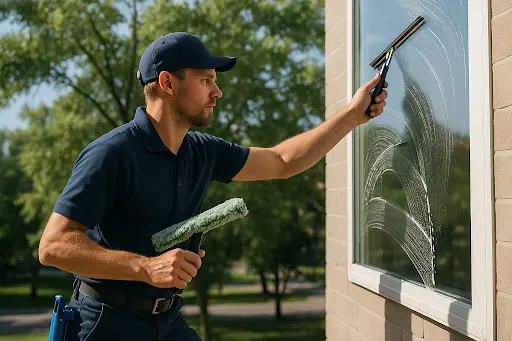
Accidentally getting paint on your windows is a common issue during DIY projects, renovations, or spray painting. While it may seem minor, removing paint incorrectly can lead to scratches, cloudy glass, or damage to window frames.
The good news? With the right tools and techniques, you can safely remove paint and restore your windows to a crystal-clear finish.
This guide covers safe, effective, and proven methods for removing dried paint, overspray, and stubborn splatters from glass.
Why Removing Paint From Glass Is Tricky
Glass is smooth and non-porous, allowing paint to bond tightly once it dries. This makes removal challenging without the right approach.
- Scrubbing too hard can scratch the surface
- Using harsh chemicals may damage frames or tint
- Improper scraping tools can leave permanent marks
Best practice: Always soften the paint first, then remove it gently using the right tools.
Preparation Before You Start
Safety Tips
- Wear gloves and safety glasses
- Work in a well-ventilated area
- Test solutions on a small hidden spot first
Tools & Materials
- Razor blade or scraper
- Plastic scraper (for delicate surfaces)
- Dish soap and warm water
- White vinegar
- Microfiber cloths
- Rubbing alcohol or acetone
- Glass cleaner
- Painter’s tape
Step-by-Step: How to Remove Paint From Windows
1. Clean and Wet the Glass
Mix warm water with dish soap and thoroughly wet the glass surface. This helps loosen the paint and reduces scratching risk.
2. Gently Scrape the Paint
Hold a razor blade at a 45-degree angle and carefully scrape the paint away. Always keep the surface wet to prevent scratches.
3. Apply a Solvent (If Needed)
For stubborn paint, apply a small amount of rubbing alcohol, acetone, or another mild solvent using a cloth. Let it sit briefly to soften the paint.
4. Wipe and Rinse
Wipe away the loosened paint with a clean microfiber cloth, then rinse and dry the glass.
5. Finish With Glass Cleaner
Use a glass cleaner to restore clarity and remove streaks.
Best Methods for Removing Paint From Glass
Soap and Water (Best for Fresh Paint)
- Safe and simple
- Works on water-based paint
White Vinegar (Natural Method)
- Softens dried paint
- Great alternative to chemicals
Rubbing Alcohol or Acetone (For Tough Paint)
- Breaks down stubborn or oil-based paint
- Use sparingly and with ventilation
Razor Blade (Most Effective Method)
- Best for dried, stuck-on paint
- Requires careful handling to avoid scratches
How to Remove Paint Without a Razor Blade
If you prefer a safer, non-scraping method:
- Mix equal parts vinegar and water
- Heat the solution until warm
- Apply with a cloth and let sit for a few minutes
- Wipe away softened paint
This method works well for light to moderate paint buildup.
Common Mistakes to Avoid
- Scraping dry glass
- Using dull or damaged blades
- Skipping the softening step
- Using harsh chemicals without testing
When to Call a Professional
- Large areas of paint or graffiti
- Delicate or tinted windows
- Risk of scratching or damage
Professional window cleaners use specialized tools and techniques to safely remove paint without damaging your glass.
Conclusion
Learning how to remove paint from windows doesn’t have to be difficult. With the right tools and techniques—like soapy water, vinegar, or careful scraping—you can safely restore your glass.
For best results, always start with the gentlest method and work your way up if needed.
FAQ
What is the safest way to remove paint from windows?
Start with warm soapy water or vinegar before using stronger solutions or scraping tools.
Will vinegar remove dried paint?
Yes, warm vinegar softens dried paint, making it easier to wipe away.
Can I use acetone on glass?
Yes, but use it carefully and avoid contact with window frames or finishes.
How do I remove spray paint from windows?
Use rubbing alcohol or acetone to break down the paint, then wipe or gently scrape it off.
Can I clean paint off windows without a ladder or tools?
Yes, for light paint, vinegar and a microfiber cloth can be enough without scraping.